Sunday, August 9, 2009

Our Cottage Trip

Solitary Sandpiper Juvenile Foraging
Bridal Veil Falls Minor Waterfall
Bridal Veil Falls Major Waterfall
Yellow Perch(left), Smallmouth Bass(right)
Left View From Outside of our Cottage
Right View From Outside of our Cottage
Dinning Room
Friend's "Bat House"
Sandhill Crane Lesser (Northern) Summer Adult Seeking Cover
Campfire
Common Tern Adult Breeding Plunge-Diving
Abandoned House in Open Field
Last Saturday morning we woke up, finished packing and drove off to our rented cottage by Lake Kagawong, Manitoulin Island, Ontario, Canada. Our cottage was among the "family cottages" located near the bay of Lake Kagawong. It took us about seven hours to arrive there, we crossed the Swing Bridge and payed our rent fees at the Entrance Office. My brother, Jesse and I rode our bicycles the rest of the way, while our parents drove. When we were finished unpacking, we were greeted by our neighbours. Fortunately, it wasn't windy at the time so we started fishing off our dock. We caught lots of Smallmouth and Rock Bass. After a good fishing day we drove around the island sight seeing, it was a very rural place, some of the cities only had a population of approximately 1 500 persons. On our drive back to our rented cottage I spotted cranes foraging on a grassland. We stopped, got out and identified them to be Sandhill Cranes. This was very exciting for me because I never have seen this species for a few years, possibly never before. The next day, my dad and I went birding at the Cup & Saucer Trail. As we parked, we saw Turkey Vultures scavenging the savanna near us. The we started hiking, I heard "rolling call" and pointed it out to my dad, he identified it to be a Wild Turkey. We tried to see them, but they were concealed by the tall, dense trees around us. Then we continued hiking up the trail, the habitat quickly changed into a mixed forest, consisting of tall broad leaf and spruce trees. This place seemed to be very quiet at first but then as we went further, little by little more species of birds started becoming interested in our presence, both negatively and positively (territorially and following us for food.) But some just ignored us and continued what they were doing, like the many wood-warblers, but probably because we tried to make it less obvious we were here by talking less, this worked almost immediately, and the forest seemed to come alive with birds, so lesson learned, try to talk as less as possible when birding. Unfortunately this was more of a hiking trail than a birding trail so more persons came and the trail came closer to a construction site. We turned back and went to our rented cottage. We didn't do much more that day but relax, so I will skip to the next day... All of us woke up early but unfortunately the wind was blowing toward our rented cottage, and we needed a way to get to the other side of the bay of Lake Kagawong if we were likely to catch fish. We visited the Entrance Office and rented pedal boats. Although these we very uncomfortable so we got a motor boat instead. My dad drove us to an island, the trees there seemed to shelter us from the wind fortunately. We didn't catch anything here so we went to a cove nearby. The trees there also sheltered us from the wind and we watched somebody land a Northern Pike successfully onto their boat, so we stayed and fished some more. Later on, my mom almost landed a large fish (about 30 cm., but there was too much slack on the line and it got off the hook just before I could get our fishing net. After that my dad had a bite but he didn't set the hook in time so it got off the hook as well. It started to get dark but the sunset was beautiful. That evening we all sat by our campfire and roosted marshmallows, enjoying the peaceful, calm lake directly beside us. The next morning we rented the motor boat for the rest of the week and once again drove to the cove we were the day before. It went similar to our last trip there so I will skip to later that day... My mom found out some of her friends were on the other side of Lake Kagawong, so we visited them and I saw a few Ruby-throated Hummingbirds drink sugar water from their hummingbird feeder. Of course they were females because if more than one male drinks from the same hummingbird feeder, it will turn into a territorial fight, even during non-breeding season usually. The next day was our last day at Manitoulin Island so we tried to do the rest of fun activities there that we could... The day started with driving our boat up the Kagawong River to another part of the island. The river had many bird species, some very common and some I never saw or heard before, including sandpipers, kingfishers, kingbirds, etc. Then we docked our rented boat at the end of the river and went to chocolate factory, Bridal Veil Falls, had lunch and other fun stuff. Then we went to another friend's cottage of my mom's and had a campfire there. That night we went fishing for the last time, we decided to go to the cove...and we came back with a stringer of fish making 42 fish that whole week!
The End
Total Name of Birds Seen:
Common Loon
Double-crested Cormorant
Great Blue Heron
Turkey Vulture
Canada Goose
Mallard
Surf Scoter (Check for Life List)
Bufflehead
Common Goldeneye (Check for 2009)
Common Merganser
Red-breasted Merganser
Broad-winged Hawk (Check for 2009)
Ring-necked Pheasant (Check for 2009)
Ruffed Grouse
Wild Turkey
Sandhill Crane (Check for 2009)
Solitary Sandpiper (Check for Life List)
Ring-billed Gull
Caspian Tern
Common Tern (Check for 2009)
Rock Dove
Mourning Dove
Ruby-throated Hummingbird
Belted Kingfisher (Check for 2009)
Yellow-bellied Sapsucker (Check for 2009)
Downy Woodpecker
Eastern Wood-Pewee (Check for 2009)
Eastern Phoebe
Eastern Kingbird
Blue Jay
American Crow
Common Raven (Check for 2009)
Black-capped Chickadee
White-breasted Nuthatch
Brown Creeper
Marsh Wren (Check for 2009)
American Robin
European Starling
Cedar Waxwing
Blue-winged Warbler (Check for 2009)
Bay-breasted Warbler (Check for Life List)
Cerulean Warbler (Check for 2009)
Ovenbird
Red-winged Blackbird
Rusty Blackbird (Check for 2009)
Common Grackle
Baltimore Oriole
Purple Finch
House Finch
American Goldfinch
House Sparrow
Total Number of Birds Seen: 52 Species of Birds

Saturday, May 23, 2009

Neighbourhoud Garden

Northern Bedstraw
American Goldfinch Adult Female Breeding
Jesse planting Cucumbers
me planting Pumpkins
Jesse raking
Jesse raking
dad shoveling
A few weeks ago we found a neighbourhood garden and we were welcomed to join, so we went shopping today at "Walmart". We bought several seeds and a few plants; consisting of mostly vegetables and some wildflowers and fruit. Although most packages of seeds are usually only $1.79 we spent about $50.00 including tax just on seeds alone! When we came home, we brought all of our gardening tools and rode our bicycles to our garden. We moved the grass, tilled the dirt, leveled it out and planted the seeds for about 3 hours and we got almost half the amount of work done! Despite the time, we got a lot done.
Goodbye,
Birdman

Monday, May 18, 2009

Point Pelee National Park

Painted Turtle
Canada Goose Common Goslings (left) Adult Male (center) Adult Female (right)
Rose-breasted Grosbeak Adult Male Breeding
Magnolia Warbler Adult Female Breeding
Canada Anemone
Chestnut-sided Warbler 1st Summer Male
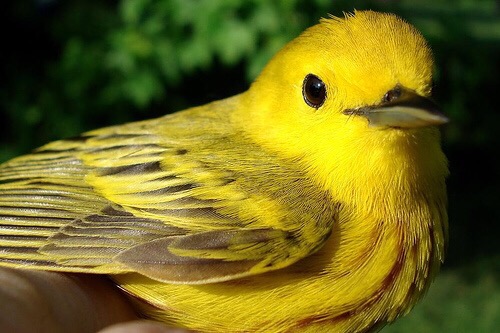
Yellow Warbler Adult Male Eastern
Rose-breasted Grosbeak Adult Male Breeding
Common Yellowthroat Adult Male
Painted Turtle
Barn Swallow Adult Female
Yellow Warbler Adult Female
Wild Turkey Adult Male Eastern In Display
Wild Turkey Adult Male Eastern
Indigo Bunting Adult Male Breeding

Last Saturday we packed our supplies and started driving to Leamington, Ontario. We arrived there after four hours, unpacked at Pelee Days Inn and drove to Point Pelee National Park. We paid and stopped at the lookout. There was seven Great Blue Herons stalking the shallow marsh. We drove a little bit further and saw a bright flash of blue. We quickly stopped and heard a descending gobble from ahead. We turned around to see a Wild Turkey displaying at the vehicles. Then I saw the Indigo Bunting foraging on the tall grass. We then drove to the visitor center and took the "train" to the Tip Trail. It was about a fifteen minute drive, but it was worth it because we were welcomed by Barn Swallows in the ceiling of the gazebo. We started walking and a Ruby-throated Hummingbird flew by me. Then my mom spotted a Eastern Kingbird perched in the tree. Then various warblers filled the rest of the trail until we came to the tip. There I saw Double-crested Cormorants flying across Lake Erie. I also noticed various gulls and terns in the background, but they were to far away even with binoculars to identify. We took the "train" back and drove to the Marsh Boardwalk. There Jesse and I climbed a tree and got our picture taken. Then we saw Barn Swallows building nests and a pair of Canada Geese defending their goslings. Soon we came to the boardwalk, but we didn't see anything unusual until we came to the middle. There it was filled with common wetland-animals such as Black Terns, Common Yellowthroats, Painted Turtles, Bluegill Sunfish, etc. Although we didn't see and Wood Ducks or Northern Watersnakes. It was late evening we we finished the boardwalk so we ate dinner and went swimming, played pool, air hockey and arcade games. The next morning we woke up early, went swimming, ate breakfast and went back to Point Pelee National Park. We drove in and we were welcomed by the sound of warblers, tanagers and orioles singing proudly. We stopped at one of the trails and saw a Scarlet Tanager singing, in the treetop. Unfortunately the Visitor Center parking lot was full so parked at the West Beach Footpath. We got out, brought our cameras, binoculars and snacks and started hiking. We accidentally flushed a Yellow Warbler from its nest but it was back a few minutes later. The footpath was directly beside Lake Erie there were constant flocks of cormorants flying over head. After hiking for about 2 kilometers the trail started to lead away from lake Erie and there was less bird activity so we turned back. I noticed a unfamiliar warbler for me so I took a photo of it and remembered the song it was singing. We walked to the Visitor Center and I showed the manager my photo, described the the appearance and song and after about 10 minutes of researching we discovered it was a Magnolia Warbler. Then we went into the gift shop and bought Ruth (Body, soul and spirit) a Checklist of Birds of Point Pelee National Park. Then we checked the sightings map and the most current bird activity was in the Tilden Woods Trail. (I was still repeating the song from the Magnolia Warbler in my head, in case I heard it again.) Sure enough I did and as soon as we entered the trail too, along with our wood-warblers, icterids and mimids. I identified most of them but it was very difficult since very few of them were visible. Anyway the habitat changed from a dense canopy to a wooded swamp along with the bird species (grosbeaks, cardinals and vireos.) Then we finished the trail at about noon so we went to the Marsh Boardwalk again in search for the Wood Duck. Lots of fish were resting under lily pads and the wetland-birds were becoming more active. We spotted much more such as; sparrows, wrens and martins. Although we didn't see Wood Ducks we did see some species we'd never seen before. Then we drove home and edited our pictures on the way. Despite we didn't break our record of sixty-four species on this annual trip we still had lots of fun. Thank you mom and dad for making this possible and for your time and money.
Total Names of Birds Seen:
Canada Goose
Mallard
Wild Turkey
Double-crested Cormorant
Great Blue Heron
Turkey Vulture (Check for 2009)
Red-tailed Hawk
Ring-billed Gull
Caspian Tern (Check for Life List)
Rock Pigeon
Mourning Dove
Ruby-throated Hummingbird (Check for 2009)
Red-headed Woodpecker (Check for 2009)
White-eyed Vireo (Check for Life List)
Red-eyed Vireo (Check for 2009)
Blue Jay
American Crow
Purple Martin (Check for 2009)
Tree Swallow
Northern Rough-winged Swallow (Check for 2009)
Bank Swallow (Check for 2009)
Barn Swallow
Black-capped Chickadee
House Wren
Sedge Wren (Check for 2009)
Marsh Wren
Veery (Check for 2009)
American Robin
Gray Catbird (Check for 2009)
European Starling
Nashville Warbler
Yellow Warbler
Chestnut-sided Warbler (Check for 2009)
Magnolia Warbler (Check for Life List)
Cape May Warbler (Check for Life List)
Yellow-rumped Warbler (Check for 2009)
American Redstart
Prothonatary Warbler (Check for 2009)
Common Yellowthroat (Check for 2009)
Canada Warbler (Check for Life List)
Scarlet Tanager (Check for 2009)
Swamp Sparrow (Check for Life List)
Northern Cardinal
Rose-breasted Grosbeak
Indigo Bunting (Check for 2009)
Red-winged Blackbird
Common Grackle
Brown-headed Cowbird
Orchard Oriole
Baltimore Oriole
House Sparrow
Total Number of Birds Seen: 51 species
Goodbye,
Birdman

Monday, May 4, 2009

Thickson Woods

Last Saturday I went birding with my dad at Thickson Woods. We saw many cars parked beside the conservation area. They were all birders, we got excited thinking they were here because of a rare, recent sighting, but they came because they thought it was a great place to bird. Everyone had the same field guide: A Field Guide to Birds East of the Rockies By: Roger Tory Peterson. First we went to the open field part, there we heard an extremely fast song, I soon recognized as the same bird I saw at my house recently, a House Wren. Also, Tree Swallows filled the area; catching bugs, mating and building nests. The last time I saw Tree Swallows was probably last autumn. Anyway, we walked on to the forest and a group of birders had their binoculars up, pointed at a tree. I looked and saw a small orange figure singing a fimiliar song to a robin. It was a Baltimore Oriole, when the group left an Orchard Oriole came! They have one of the most variable songs, but all birds are unique for something. I soon heard a kinglet in a nearby tree, so I aimed my binoculars and spotted it gleaning insects of branches (common behaviour of kinglets.) The trail lead to another group of birders watching a small thrush, so I came closer and identified it was an Ovenbird. It appeared to be flushed not knowing where to go as it was cornered, not singing just perched on a log. Is this common behaviour of under-leaf scavengers, or was it frightened, submit your ideas in the comment box (below this post.) I walked to the next part of the trail while my dad searched for the Ovenbird. The part of the trail I was now in was filled with warbler songs, they all song at the same time so all I could identify was a Yellow-rumped Warbler and a Nashville Warbler. Both very secretive birds always high up in trees. I then met up with dad and we went to the marsh, there we watched a Short-tailed Weasel feed its young, baby rats. Soon other birders came still following the same Baltimore Oriole, but a small brown figure caught my eye in the cattails. I soon recognized the; brown crown, white supercillium (eyeline,) and off white breast from our previous, annual trip to Point Pelee National Park. It was a Marsh Wren and there was also Gadwalls, a Red-bellied Woodpecker, American Robins and Red-winged Blackbirds in the background, mixed between a marsh with dead trees and forest-floor-like habitat. This evening I went birding to the same spot with my mom, we parked got and we heard Cooper's Hawks, Rose-breasted Grosbeaks, a Tennessee Warbler and everything on Saturday too. We didn't stay for long because it was getting dark so we left.
Total Names of Birds Seen:
Red-winged Blackbird
Northern Cardinal
Black-capped Chickadee
Brown-headed Cowbird
Brown Creeper
American Crow
Mourning Dove
Gadwall (Check for 2009)
American Goldfinch
Canada Goose
Common Grackle
Rose-breasted Grosbeak (Check for 2009)
Ring-billed Gull
Herring Gull
Cooper's Hawk
Blue Jay
Dark-eyed Junco
Killdeer
Golden-crowned Kinglet
Ruby-crowned Kinglet
Mallard
Baltimore Oriole
Orchard Oriole (Check for 2009)
Ovenbird (Check for 2009)
Feral Pigeon
American Robin
Chipping Sparrow
House Sparrow
Song Sparrow
White-crowned Sparrow
European Starling
Tree Swallow (Check for 2009)
Mute Swan
Nashville Warbler (Check for 2009)
Tennessee Warbler (Check for Life List)
Yellow-rumped Warbler (Check for 2009)
Hairy Woodpecker (Check for 2009)
Red-bellied Woodpecker (Check for 2009)
House Wren
Marsh Wren (Check for 2009)
Total Number of Birds Seen: 42 species
I will show you prof of some of my sighting tomorrow.

Monday, April 13, 2009

Dyngus Day Dinner

Dyngus Day, also known as Easter Monday is the day after Easter. To celebrate it we went to my cousins house. Aunt Lori, Uncle Bruce, Cousins Michael, Jason, Kira, Tyler, friend Jamal, Michael's wife Lacy, Jason's girlfriend Charyl and our family all had a family dinner together. Thank you Aunt Lori for preparing that delicious meal. Next we played baseball with some of Tyler's friends and then we went home. Then my dad and I went birding and heard a Ruffed Grouse for the first time this year.
Total Names of Birds Seen:
Red-winged Blackbird
Northern Cardinal
Black-capped Chickadee
American Crow
Mourning Dove
Canada Goose
Common Grackle
Ruffed Grouse (Check for 2009)
Ring-billed Gull
Sharp-shinned Hawk (Check for 2009)
Blue Jay
Dark-eyed Junco
Killdeer
Feral Pigeon
American Robin
House Sparrow
Song Sparrow
European Starling
American Woodcock
Total Number of Birds Seen: 19 species of birds

Sunday, April 12, 2009

Easter

On Maundy Thursday, Paul, one of Jesus' disciples made a deal to betray Jesus for 30 pieces of silver the next day. On Good Friday Jesus had his last feast with His disciples and said "This is My last feast with you, one of you will betray Me". Peter asked "Will it be me?", Jesus replied "No". Then Paul tricked Jesus to coming outside and several soldiers nailed Jesus to a cross, dissing Him and put Him in a tomb. Peter came and an angel told him "Do not be afraid, He will return". While Jesus was dead, He took the keys of **** from the devil. On Easter Day, the tomb opened and Jesus came back alive. He visited all of His disciples, then went to Heaven. Jesus died on the cross for us, and therefor we should thank him.
Goodbye,
Birdman

Saturday, April 11, 2009

Lynde Shores Conservation Area

White-throated Sparrow White-striped Adult
Eastern Towhee Adult Male Red-eyed
Song Sparrow Adult Eastern
Blue Jay Dark Adult x Pale Adult Intermediate
Mute Swan Adult in Display Posture
Canada Goose Common Adult Laying Eggs
This morning I went birding with my dad at Lynde Shores Conservation Area. As we drove there we saw a Great Blue Heron and a small white bird flying over a pond. Then we parked, paid and started birding. First I saw a Blue Jay and a Northern Cardinal, then we walked to the pond. That "small white bird" was a Bufflehead, it was away from the rest of the waterfowl, foraging by itself. Then a Canada Goose came begging us for food, of course we didn't give it any, but it was funny! The place was filled with Red-winged Blackbirds singing "ok-a-reeeee" and displaying, but I still haven't seen a female Red-winged Blackbird this year, interesting. Anyway, next we went to the "Cranberry Marsh", there I heard a loud "chip" from a Least Chipmunk. Next Black-capped Chickadees came begging us for food, but we didn't have any seeds so we walked on. When we came to the marsh habitat I heard a bird singing "drink your teeeeeeeeee" from a low bush, then the bird came out, it was a Eastern Towhee. Then robins, sparrows and goldfinches filled the place with music for about 30 minutes. Then we saw an injured White-tailed Deer on the trail in front of us walk away. It appeared to be starving and shot several times. Then we went back through the field to the forest and we saw Swainson's Thrushes go in a brush pile, I was very excited because I never saw them before. Although I may have in New Brunswick when we went camping there last July. Mom, said she would prepare a breakfast soon, so we went home and discussed all the birds we saw.
Total Names of Birds Seen:
Canada Goose (5)
Mute Swan (2)
Mallard (9)
Bufflehead (1, Check for 2009)
Great Blue Heron (1)
Killdeer (1)
Ring-billed Gull (17)
Mourning Dove (3)
Downy Woodpecker (1)
Blue Jay (16)
American Crow (2)
Black-capped Chickadee (52)
White-breasted Nuthatch (3)
Brown Creeper (2)
Swainson's Thrush (3, Check for Life List)
American Robin (23)
European Starling (29)
Eastern Towhee (5, Check for 2009)
American Tree Sparrow (2)
Field Sparrow (1, Check for 2009)
Fox Sparrow (4, Check for 2009)
Song Sparrow (17)
White-throated Sparrow (1)
Dark-eyed Junco (2)
Northern Cardinal (11)
Red-wined Blackbird (78)
Common Grackle (50)
American Goldfinch (6)
House Sparrow (1)
Total Number of Birds Seen: 29 species
Goodbye,
Birdman

Friday, April 10, 2009

Thursday, April 9, 2009

2nd Year Anniversary!


I have now been posting for two years!
Check out my other blog at http://birdman-nature.blogspot.com

Wednesday, April 8, 2009

Northern Cardinal

Northern Cardinal Adult Male Eastern
This evening, as I was finishing my dinner, I noticed something red in the Cedar hedge behind our back yard. I quickly put my dishes in the dishwater and got my camera. Unfortunately the glass back door was poorly affecting the photos, so I very slowly and carefully opened the door. It started singing it's familiar song pichew pichew tiw tiw tiw tiw tiw tiw. Max, my dog has very sensitive ears and he didn't know what this sound was so he barked. Very surprisingly it didn't fly away, it just moved to a branch inside the tree (cardinals are usually very timid.) But I wasn't complaining about this daring cardinal because I was able to get many clear photos and videos of it. Then I went upstairs to write a blog post about it.
Total Names of Birds Seen:
Northern Cardinal
Ring-billed Gull
Dark-eyed Junco
Total Number of Birds Seen: 3 specie(s) of birds
Goodbye,
Birdman
Check out my other blog http://birdman-birdquiz.blogspot.com

Tuesday, April 7, 2009

Rare Winter Birds

Gray-crowned Rosy-Finch Interior Adult Female Nonbreeding Dark-eyed Junco Slate-colored Adult Male
This morning I woke up very late and went downstairs. I was about to go outside, but then I noticed about 5 centimeters of snow! So I sat down and had breakfast by the window, soon a flock of small birds came. I got my camera and took some photographs of them, they were Dark-eyed Juncos! They were in a mixed flock of various finches. I was about to finish my breakfast but then a bird came that I've never seen before, a rosy-finch and a different type of chickadee! I was very excited, what else will this unusual day bring; snow, rosy-finches, juncos, what next!? I finished my breakfast and was putting my dishes in the dishwater, but then my mom saw a heron! I've never seen one yet this year, finally! What a day! I was about to get The Sibley Guide to Birds to confirm my observations, but when I found it, it was in a very poor condition; missing pages, cover gone, split in three pieces and it had stains all over it from coffee. The result of studying it everyday for a few years, I'm going to have to start saving $53.00. When I found rosy-finches in the book, I was correct! Rosy-finches are here, they must be confused because the closest they come here is Michigan, United States and Quebec, Canada.
Total Names of Birds Seen:
Black-capped Chickadee
Boreal Chickadee (Check for Life List)
Cassin's Finch (Check for 2009)
Gray-crowned Rosy-Finch (Check for Life List)
House Finch
Purple Finch
Ring-billed Gull
Great Blue Heron (Check for 2009)
Dark-eyed Junco
Common Redpoll
Pine Siskin
House Sparrow
Total Number of Birds Seen: 12 species of birds
Goodbye,
Birdman
Check out my other blog at http://birdman-birdquiz.blogspot.com/

Monday, April 6, 2009

Extinct Species, Rediscovered

Four, thought to be extinct species of birds, have been rediscovered with prof from DNA tests; Eskimo Curlew, thought to be extinct in 1963 has been rediscovered in 1999 (Kenn Kaufman's Guide to Birds of North America), Carolina Parakeet, thought to be extinct in 1905 has been rediscovered a 2004 in Honduras (Bird Chick http://birdchick.com/wp/), Ivory-billed Woodpecker, thought to be extinct in 1987 has been rediscovered in 2001 in Louisiana, United States (Cornell Laboratory of Ornithology http://birds.cornell.edu/) Bachman's Warbler, thought to be extinct in 1962, has been rediscovered in 2002 (Birds of North America Online.) How could these birds have been here all this time without us knowing, because they adapted to live away from their predators and problems such as hunting. These birds have made a unbelievable adaption, now we should protect them with all our power so they make a recovery and become common again. Perhaps we've learned a valuable lesson here, and we all should learn from it, before they actually become extinct! Now we should also protect any endangered species like the Whooping or Hooping Crane, who once only had a very small population in Northwest Territory, of about 100 birds and now lives in Florida too, because of us! If we all "pitch in" we can do this for the rest of them like Hancanith Macaw, who's numbers are declining because of the pet trade. Now we can and should protect these precious birds before its too late.
Goodbye,
Birdman
PLEASE COMMENT ON MY OTHER BLOG AT http://birdman-birdquiz.blogspot.com/ IF YOU DON'T, I WILL DELETE IT.

Sunday, April 5, 2009

Northern Harrier

This evening a large bird of prey came flying down and caught a bird by a wetland with a field beside it. It was a Northern Harrier!
Check out my other blog at http://birdman-birdquiz.blogspot.com/
Total Names of Birds Seen:
Northern Harrier (Check for 2009)
Total Number of Birds Seen: 1 specie of bird

Saturday, April 4, 2009

Darlington Park

Today I woke up at 5:50am and was ready to go birding by 6:00am. Then I went downstairs to go wake my dad up. We were about to go outside but then we noticed the weather (10mm of rain, snow and wind speed of 53km/h), I watched the Weather Network until it "cleared up". At 7:00am, the storm went away and my dad and I went birding. After helping my dad unload some of his working supplies, we went to Darlington Park. At first I didn't remember going birding there before with my dad, but as soon as I saw the place I remembered. We were just about to park then a woodpecker-shaped bird flew. I got out of the truck and followed it, it was a Downy Woodpecker, then my dad parked. We started walking on the trail but it was very muddy. "Good call on the rubber boots dad". Soon we watched a flock of American Crows mob a Great Gray Owl. Most of you probably don't believe me but we have pictures of it from the last time we went to Darlington Park. The trail was leading to an open field and it was still very windy, so we went to a trail by the creek. We had some difficulty walking down the steep hill to the creek but despite the beginning of the trail, it was quite enjoyable afterwards. First we watched a Barred Owl fly over the top of the forest, then dad claimed he saw a Chipping Sparrow but it was actually a Ruby-crowned Kinglet. It came very close to us and gleaned insects of the tip of a branch then flew to the next coniferous tree. Then I heard the Barred Owl call: "Who cooks for you, who cooks for you all" a familiar sound to a somewhat experienced birder. It was soon 10:00am and no phone call from mom!? So we went home and she was making breakfast, then we all sat down and enjoyed the delicious meal mom prepared.
Total Names of Birds Seen:
Red-winged Blackbird
Northern Cardinal
Black-capped Chickadee
American Crow
Mourning Dove
American Goldfinch
Canada Goose
Common Grackle
Ring-billed Gull
Killdeer
Ruby-crowned Kinglet (Check for 2009)
Mallard
Northern Mockingbird (Check for 2009)
White-breasted Nuthatch
Barred Owl (Check for 2009)
Great Gray Owl (Check for 2009)
Eastern Phoebe
Feral Pigeon
American Robin
House Sparrow
Song Sparrow
European Starling
Turkey Vulture
Downy Woodpecker
Hairy Woodpecker (Check for 2009)
Total Number of Birds Seen: 24 species of birds
Goodbye,
Birdman
(edited by mom)
Check out my other blog at http://birdman-birdquiz.blogspot.com/

Friday, April 3, 2009

Another Blog

Today I've created another blog, I'm going to update it about every day too. Current one: http://birdman-nature.blogspot.com/ New One: http://birdman-birdquiz.blogspot.com/ Be sure to check them out. Also please become a follower of my blogs (refer to right side.)

Why We Should Enjoy Rainy Days

Before
After
1. The Sun and rain give plants chemical energy. Animals eat plants, storing the chemical energy. Then we eat animals and we get the chemical energy. Without rain with wouldn't be alive!
2. Rain falls in oceans, lakes and other bodies of water. We collect the water from there, next its filtered and we drink it. Without rain we wouldn't be alive!
3. Rain helps nature grow! Without rain we wouldn't have the beauty of nature to enjoy and blog about.
So next time you bring your umbrella outside and say "Rain, rain go away" or "Man, I wish it never rained!" think again about this post. The images above were copied from a website that they are purposed to be copied.
Goodbye,
Birdman

Thursday, April 2, 2009

Back Yard Birding

This morning I helped my dad set up set up beds. Then at about 8:30am I went outside and sat down with Max. Soon I heard a long, uneven rattle coming from a moderate-sized bird with a thick bill, perched on a tree above the an open marsh beside our house. I looked at all the sounds of woodpeckers in North America but none of the sounds compared to what I heard. I heard that same sound but this time I noticed it was a harsh, unsteady clatter. I remembered what a kingfisher sounded like, from a camping trip last year to Cedar Beach. Once again I looked in the Sibley Guide to Birds and found kingfishers. The silhouette I saw in the tree and the sound it made, obviously made it a Belted Kingfisher. Just to be 100% sure it was, I researched it in the Cornell Lab of Ornithology. With all of my information it was for sure a kingfisher. Next I heard a call similar to a Song Sparrow but it was clearly different. I looked in Sibley's Book and searched all the similar species for Song Sparrows. There I found the Winter Wren, but as I was reading that page, a sparrow caught my eye, again it was similar to Song Sparrow but there was something different about it's breast. The only bird that matched up to it was a Black-throated Sparrow, but they only live in the Sonoran Desert. How could one end up here, I must have made a mistake, but I can't seem to match the bird I saw with any other birds in Sibley's Book. Anyway, back to the wren, Body, Soul and Spirit (Ruth) and Mon@rch (Tom) had recently seen one of these so there was no point of researching, the Winter Wren migrates through here every spring. Up to northern Ontario to southern Northwest Territory and Yukon. I'd heard this sound only once and it was far away so I couldn't figure out what habitat it was in. I came back in with max at about noon, had a snack and helped my dad unpack (we've just moved last Saturday.) From now on when I write total species of birds and the end of a post I will put a question mark beside if I'm not 100% sure, otherwise the bird was seen for sure.
Total Names of Birds Seen:
Red-winged Blackbird
Northern Cardinal
Black-capped Chickadee
Brown-headed Cowbird?
American Crow
Mourning Dove
American Goldfinch
Canada Goose
Common Grackle
Boat-tailed Grackle? (Check for 2009)
Herring Gull
Ring-billed Gull
Great-blue Heron? (check for 2009)
Blue Jay?
Dark-eyed Junco
Killdeer
Belted Kingfisher (Check for 2009)
Mallard
White-breasted Nuthatch
Eastern Phoebe? (Check for 2009)
American Robin
Black-throated Sparrow? (Check for Life List)
House Sparrow
Song Sparrow
European Starling
Winter Wren (Check for Life List)
Total Number of Birds Seen: 19 species, 7 ? species
Goodbye,
Birdman

Wednesday, April 1, 2009

Late Night Birding In Damp Forest/Open Field

Yesterday my dad and I decided to go birding in search of the woodcock in display, so we left with a flashlight, a few minutes before it usually gets dark. We walked down the block to a damp, brushy forest with a open field beside it. It was still late evening so many songbirds were making their last song for the day. We kept walking until we found where the forest and field met. There we turned on the flashlight and listened very carefully. Standing there a female Canada Goose came which sounded very similar to the woodcock. We stood there for about ten minutes and then, as soon as the sun had completely gone down we heard a nasal PEENT! Followed by one of them flying up high in the air making twittery whistles and then a loud chirping sound. Then it dived so fast I thought it disappeared. Then both the male and female did their courtship display, covering so much area that I had a difficult time trying to track were the sound was coming. They both did that same thing over again until we left the field. Then we heard a single hoot, which was a Long-eared Owl. We didn't hear it every few seconds because we were talking for the rest of the jog. Then we saw them fly in front of us again, at first we had mistaken them for swallows because of their small size, but then when the second one came, I noticed a completely different flight pattern. On our way back home we found out where a museum was. Maybe that will be my next blog post topic, maybe. Anyway, I think that the mystery bird from my last post is a hybrid between two grebes but I'm still trying to identify it. Thank you for any help you may have given me (I only look at the comments from before, after I do my next post)
Total Names of Birds Seen:
Red-winged Blackbird
Northern Cardinal
Black-capped Chickadee
Brown-headed Cowbird
American Crow
Mourning Dove
House Finch
Northern Flicker (Check for 2009)
American Goldfinch
Canada Goose
Common Grackle
Ring-billed Gull
Blue Jay
Killdeer
Mallard
White-breasted Nuthatch
Long-eared Owl (Check for 2009)
Feral Pigeon
American Robin
House Sparrow
Song Sparrow
European Starling
American Woodcock
Downy Woodpecker
Total Number of Birds Seen:24 species
Goodbye,
Birdman